Architectural Metalwork in the UK

Architectural metalwork plays a vital role in shaping the built environment across the UK. From the intricate iron railings of the Victorian era to today’s sleek, laser-cut facades, metal continues to bridge the gap between structural necessity and creative design. It is a discipline where engineering meets artistry, offering strength, durability, and visual impact in equal measure.

What is Architectural Metalwork?

Architectural metalwork refers to the crafted metal elements that enhance both the function and appearance of a building. Unlike structural steelwork, which supports the framework of a structure, architectural metalwork is often visible and designed to make an impression.

Common examples include:
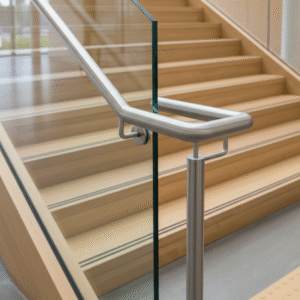
-Staircases and balustrades
-Railings and handrails
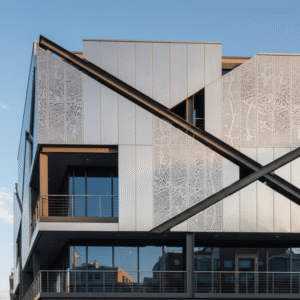
-Cladding and facades
-Canopies and awnings
-Bespoke decorative features such as screens and sculptures

These elements are found in residential, commercial, and public spaces across the UK, where they provide safety, durability, and design distinction.
staircase

A Brief History of Architectural Metalwork in the UK

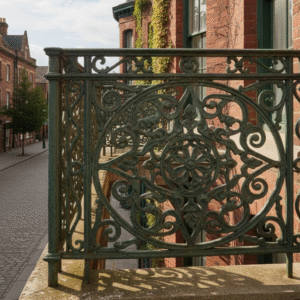
Britain has a rich heritage of metal craftsmanship. During the Victorian era, decorative cast iron was a hallmark of gates, railings, and balconies, many of which still characterise historic streets today. Moving into the 20th century, materials such as stainless steel, aluminium, and bronze gained popularity, supporting modernist and industrial architectural styles.

Today, architectural metalwork in the UK blends heritage techniques with advanced fabrication technologies, producing designs that are both functional and innovative.
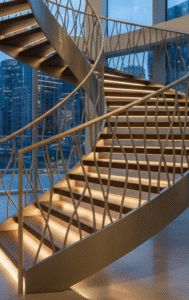
railings

Materials Commonly Used

Architectural metalwork relies on a variety of materials, each offering unique qualities:
-Steel (mild and stainless): Strong, durable, and versatile.
-Aluminium: Lightweight and resistant to corrosion.
-Bronze & Brass: Valued for their rich tones and decorative appeal.
-Corten Steel: Known for its weathering properties and striking rusted appearance.

The choice of material often depends on the aesthetic and functional requirements of a project.
ali artwork

Standards and Regulations

In the UK, architectural metalwork must comply with building regulations and safety standards to ensure quality and reliability. Key references include:
-BS EN 1090 – CE marking for structural and architectural steelwork
-BS 5395 – Stairs, ladders, and walkways
-Building Regulations Part K – Protection from falling, collision, and impact (relevant to balustrades and railings)

These standards ensure that metalwork installations are safe, durable, and compliant with national guidelines.
safety standard railing

Current Trends in Architectural Metalwork

Modern architectural metalwork reflects both technological advancements and sustainability goals. Key trends in the UK include:
-Sustainable fabrication using recycled metals and low-impact coatings
-Laser cutting and CNC design, enabling complex and decorative patterns
-Combining materials such as glass, timber, and stone with metal for contrast
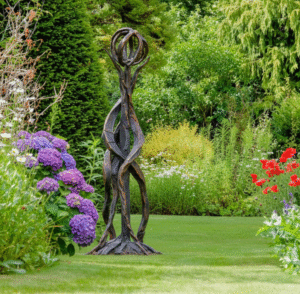
-Public art integration, with metalwork used in sculptures and urban features

These developments highlight the versatility of metalwork in meeting both practical needs and design aspirations.
metal sculpture

Looking Ahead

The future of architectural metalwork in the UK is shaped by innovation and sustainability. From the restoration of historic ironwork to the integration of advanced digital fabrication techniques, the field continues to evolve. As demand grows for eco-conscious materials and distinctive design, architectural metalwork will remain a defining element of Britain’s architectural identity.
WJW Engineering Gloucester Logo Image
“Comprehensive Engineering Solutions”

ABOUT US

We pride ourselves on our communication, we believe that in the fast pace world of today, customers should be kept up to date every step of the way from initial contact through to project completion.