Static Production Plant and Machinery Repairs in the UK

Static production plants and industrial machinery are the backbone of manufacturing, engineering, and processing industries in the UK. When equipment fails, production downtime can be costly, impacting efficiency, safety, and profitability. That’s why static plant and machinery repair services are essential to keeping factories, workshops, and industrial sites operating smoothly.

What are Static Production Plant and Machinery Repairs?

Static plant and machinery refers to large, fixed equipment used in manufacturing and industrial processes. Unlike mobile machinery, this equipment is installed in one place and designed for long-term, continuous use.

Repairs involve diagnosing faults, replacing worn or damaged components, and restoring equipment to full working order. In many cases, this includes preventative maintenance to reduce the risk of breakdowns and extend the lifespan of machinery.

Common examples of static plant and machinery include:
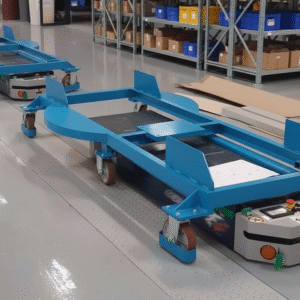
-Conveyors and material handling systems
-Industrial presses and cutters
-Milling and grinding machines
-Static mixers and processing equipment
-Boilers, pumps, and compressors
-Heavy-duty production line machinery
Heavy-duty production line machinery

Importance of Plant and Machinery Repairs

The smooth running of production facilities relies on well maintained equipment, and regular repairs and servicing play a crucial role in achieving this. By minimising downtime, businesses can reduce costly interruptions to production while also extending the lifespan of their equipment, maximising return on investment. Proper maintenance improves safety by preventing accidents caused by faulty machinery and supports greater efficiency by keeping equipment operating at peak performance. Additionally, routine servicing helps ensure compliance with UK health and safety regulations.

Common Repair and Maintenance Services

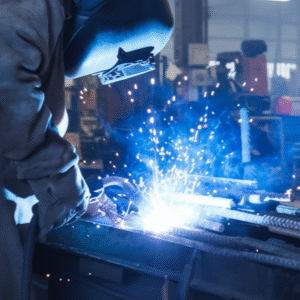
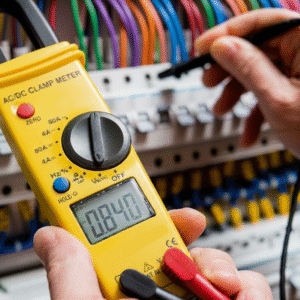
Plant and machinery repairs can vary widely, from minor component replacements to full scale overhauls, and typically cover a broad range of services. These may include mechanical repairs to parts such as bearings, shafts, gearboxes, couplings, and seals, as well as welding and fabrication work to restore broken or worn metal components. Repair specialists also handle hydraulic and pneumatic issues by fixing pumps, valves, cylinders, and actuators, alongside electrical fault diagnosis for motors, wiring, and control panels. Precision machining is often used to re-manufacture or refurbish worn parts, while preventative maintenance such as inspections, lubrication, and scheduled servicing helps keep equipment running efficiently and reduces the likelihood of future breakdowns.
Electrical Fault Diagnosis
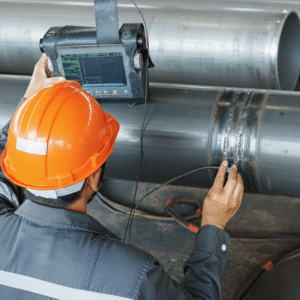
Non-destructive testing

Materials and Techniques Used

Repairs often require a combination of traditional and advanced techniques:
-Welding and metal fabrication for structural repairs.
-CNC machining to produce replacement parts with accuracy.
-Surface treatments and coatings to protect against wear and corrosion.
-Non-destructive testing (NDT) to identify hidden faults.

UK Standards and Regulations

Static production plant and machinery repairs must comply with UK legislation and industry standards to ensure safety and reliability:
-PUWER (Provision and Use of Work Equipment Regulations 1998) – Ensures equipment is safe to use and properly maintained.
-Health and Safety at Work Act 1974 – Employer duty to maintain safe workplaces and equipment.
-BS EN ISO 9001 – Quality management standards often applied to repair services.
-Manufacturer specifications – Repairs must often align with OEM (Original Equipment Manufacturer) standards.

Current Trends in Plant and Machinery Repairs

The UK industry is evolving with new methods and technology to improve repair efficiency and reliability:
-Predictive maintenance using sensors and data analytics to detect faults before breakdowns occur.
-3D printing and additive manufacturing for rapid production of spare parts.
-Energy-efficient retrofits to upgrade older equipment with modern technology.
-Remote diagnostics and monitoring systems to minimise site visits.

The Future of Static Plant and Machinery Repairs in the UK

As industries modernise and aim for greater efficiency, static plant and machinery repairs will continue to play a crucial role in keeping production lines running. With the integration of digital monitoring systems, automation, and sustainable practices, the repair sector is set to move beyond reactive fixes and towards long-term, proactive asset management.
monitoring
WJW Engineering Gloucester Logo Image
“Comprehensive Engineering Solutions”

ABOUT US

We pride ourselves on our communication, we believe that in the fast pace world of today, customers should be kept up to date every step of the way from initial contact through to project completion.